CHEVROLET BUICK CADILLAC PACKARD DODGE OLDSMOBILE Ignition Switch
fits make: Lincoln, Chevrolet. year: 1900-22–1921.
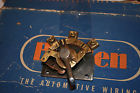
( Brand: Chevrolet Buick Cadillac Packard Dodge Oldsmobile ), ( Manufacturer Part Number: 1900-22 ), ( Part Type: Ignition Switch ), ( Interchange Part Number: 1900-22 Vintage Switches 20 S ), ( Placement On Vehicle: Front ), ( Surface Finish: Nos Nors Old New Switches 30 S 40 S Dash ), ( Country Of Manufacture: United States )
Review CHEVROLET BUICK CADILLAC PACKARD DODGE OLDSMOBILE Ignition Switch Lincoln fits 1900-22–1921
Introducing an exquisite collection of vintage automotive ignition switches, meticulously crafted to accommodate a broad range of classic vehicles from the early 20th century. This set includes switches specifically designed for model years 1900-1922, featuring switches for iconic makes such as Buick (1914, 1921), Oldsmobile (1919, 1918), Cadillac (1915, 1920, 1916), Dodge (1917), Lincoln, Packard, and Chevrolet (various models).
Each of these switches boasts a rich history and is a testament to the ingenuity and craftsmanship of the era. Their design is a harmonious blend of form and function, with intricate details that pay homage to the nostalgia of the early automobile age.
The Buick 1914 and 1921 switches are distinguished by their robust construction and smooth operation, ensuring reliable ignition in these iconic vehicles. The Oldsmobile models from 1919 and 1918 showcase a unique design, with a focus on durability and user-friendly operation.
Cadillac's 1915, 1920, and 1916 switches are characterized by their elegant aesthetic, reflecting the luxurious image of the Cadillac brand during that period. Dodge's 1917 switch is a functional marvel, designed to withstand the rigors of daily use while providing seamless ignition.
Lincoln, Packard, and Chevrolet switches, too, offer a blend of style and functionality, each featuring unique design elements that reflect the individual character of these legendary automobile brands.
Made from high-quality materials, these vintage ignition switches are built to last, offering reliable service for decades to come. Each switch is thoroughly tested to ensure it meets the highest standards of performance and safety.
For enthusiasts of classic automobiles, this set of vintage ignition switches is an essential addition to their collection. Not only do they ensure the proper functioning of these cherished vehicles, but they also serve as a reminder of the extraordinary craftsmanship and innovation that characterized the early days of the automobile industry.
Pros of buying vintage cars from the 1910s and 1920s:1. Unique and Rare: Vintage cars from this era are rare and unique. They offer a sense of nostalgia and history that modern cars cannot match.
2. Collectible Value: These cars have the potential to increase in value over time, making them a good investment for collectors.
3. Customization: Vintage cars offer numerous opportunities for customization and restoration, allowing owners to make the car their own.
4. Mechanical Skills: Working on a vintage car can be a rewarding experience for those who enjoy mechanical work and tinkering.
5. Driving Experience: Vintage cars often have a different driving experience than modern cars, with smoother rides and less computerized systems.
Cons of buying vintage cars from the 1910s and 1920s:1. High Maintenance Costs: Vintage cars require regular maintenance and repairs, which can be expensive.
2. Limited Availability of Parts: Finding replacement parts for vintage cars can be challenging, and often, parts have to be imported or custom-made.
3. Lack of Modern Safety Features: Vintage cars lack modern safety features such as airbags, seatbelts, and anti-lock brakes, making them less safe than modern cars.
4. Limited Comfort: Vintage cars often have limited comfort features, such as cramped interiors and no climate control.
5. Limited Fuel Efficiency: Vintage cars are generally less fuel-efficient than modern cars, which can be a significant expense for owners.
Conclusion:Vintage cars from the 1910s and 1920s offer a unique and collectible experience for car enthusiasts. However, they come with high maintenance costs, limited availability of parts, and lack of modern safety features and comfort. If you are willing to invest the time, money, and effort into maintaining and restoring a vintage car, it can be a rewarding and enjoyable hobby. However, if you are looking for a practical and reliable daily driver, a modern car may be a better option.
Recommendation:If you are interested in vintage cars, consider starting with a more modern classic car from the 1950s or 1960s. These cars have more modern safety features and comfort, while still offering a unique and collectible experience. Once you have gained experience with vintage cars, you can consider investing in a more rare and expensive car from the 1910s or 1920s. Just be sure to do your research and budget accordingly.
Details:
Template made by.
part #: 1917 prices
- $17.00-$179.99
specifications switchecontro:
- for makes: Lincoln, Chevrolet
- for years: 1900-22-1921
- brand: Chevrolet Buick Cadillac Packard Dodge Oldsmobile
- mpn: 1900-22
- part type: Ignition Switch
- interchange part number: 1900-22 Vintage Switches 20 S
- placement on vehicle: Front
- surface finish: Nos Nors Old New Switches 30 S 40 S Dash
- country of manufacture: United States
Offer switchecontro:
- best offer: false
- quantity: 1
- # Sold: 0
- # bids: 0
- Started: January 19, 2016, 11:40 pm
Shipping switchecontro:
- cost: $3.65
- type: Flat
- handling: 1 days
Ratings:
- Perfect, thank you very much 01-19-16
- An outstanding seller. Fast shipping. Highly recommend. A++++++ 01-19-16
- Great item! Fast shipping! A+++++ 01-17-16
- Arrived very quickly. Thanks 01-14-16
- Another Valued Customer. Enjoy Great Great Grampa's Extreme/Stiff Blend! 01-14-16
Returns switchecontro:
- policy: no returns
General switchecontro:
- Motors > Parts & Accessories > Vintage Car & Truck Parts > Interior > Switches & Controls
- in stock: Yes
- condition: Used
Seller switchecontro:
- zipcode: 96021
- city: Corning, California
Payments switchecontro:
- PayPal
Chevrolet Buick Cadillac Packard Dodge Oldsmobile 1914 Is Similar To:
- 00910821 1964-66 Chevrolet Impala Nova Chevy Ii Turn Signal Switch Gm (30.5% similar) ...(May 7th, 2016)
- 01993541 Chevrolet Impala Wiper Switch Single Speed With Washer (30.4% similar) Cars from 1946 through present day...(May 8th, 2018)
- 01993584 Chevrolet Corvair Gto Wiper Switch Two Speed With Washer (28% similar) Hydro-e-electric has been providing quality made products since 1976 . Cars from 1946 through present day...(May 8th, 2018)
- 05948447 Lectric Limited Chevrolet Full Size Turn Signal Switch Assembly New (29.4% similar) Here is a brand new Chevrolet turn signal switch assembly reproduction unit by electric limited for full size Chevrolet's. Comes with correct leads, connector and gm approved...(January 18th, 2019)
- 10063412 General Motors Window Switch Rh Buick Regal And Chevrolet Lumina (13.4% similar) Gm window switch fits 1994 Buick regal and Chevrolet lamina also other full size vehicles this is a nos part...(October 4th, 2018)
- 10063423 Pontiac Buick Chevrolet Nos (15.3% similar) These are obsolete made in the USA or Canada parts that dealers no longer stock. Please here for more nos gm parts brand new obsolete genuine part with the original box. Some of our nos parts have shelf wear or are missing the original boxes. Nos does not mean perfect. This is only a guide line...(April 30th, 2017)
- 1116301 Original Chevrolet Truck Delco Ignition Switch Cable Key Gm (39.4% similar) Do not miss out on this hard to find part for your classic project. Location: the cable measures long from back of ignition switch body to end casing. The key appears to be a replacement but it fits in cylinder and allows switch work manually. Cor: this is an original ignition switch with key and ...(October 18th, 2018)
- 1116544 D-1426 C Nos 1958 Chevrolet Bel Air Biscayne Impala Ignition Switch (35.7% similar) C nos 1958 Chevrolet Bela air Biscayne impala ignition switch restoring a '58 Chevrolet passenger car don't miss this opportunity to buy a genuine gm nos ignition switch. Catalog information group number it comes with its gm Delco REM box as shown. Sales are final and sold as is pictured. A rare ...(January 13th, 2016)
- 1116687 Gm Chevrolet Corvair Nos Ignition Switch (35.5% similar) And I have to do the revising before you pay. Gm consolidated a number of ignition switches in probably to keep from producing so many different ones, and this one was included the changeover part which itself then superseded another consolidation later on. This fits 1967 Chevrolet corsair. Again...(March 2nd, 2018)
- 1116881 Gm Delco Remy Nos Chevrolet Truck Ignition Switch Warning Buzzer (34.2% similar) Nos Chevrolet GMC truck ignition switch warning buzzer relay, Delco REM original in box. Fits the following: Chevy truck - all 2t sear 50 DIESEL1965-1967 60 4 tilt DD1967 ex cab may fit others compare application...(December 21st, 2018)
- 116304 Chevrolet Ignition Switch With Key And Coil Chevy (31.6% similar) Winning bidder pays only the coil is filthy dirty and it has a little end cap of some kind wired to it, so I am assuming that part this setup too. Shipping anywhere in the us. There is an ignition switch with the key in it, and a coil of some kind. Someone hooked the two of them together with a nut...(March 22nd, 2018)